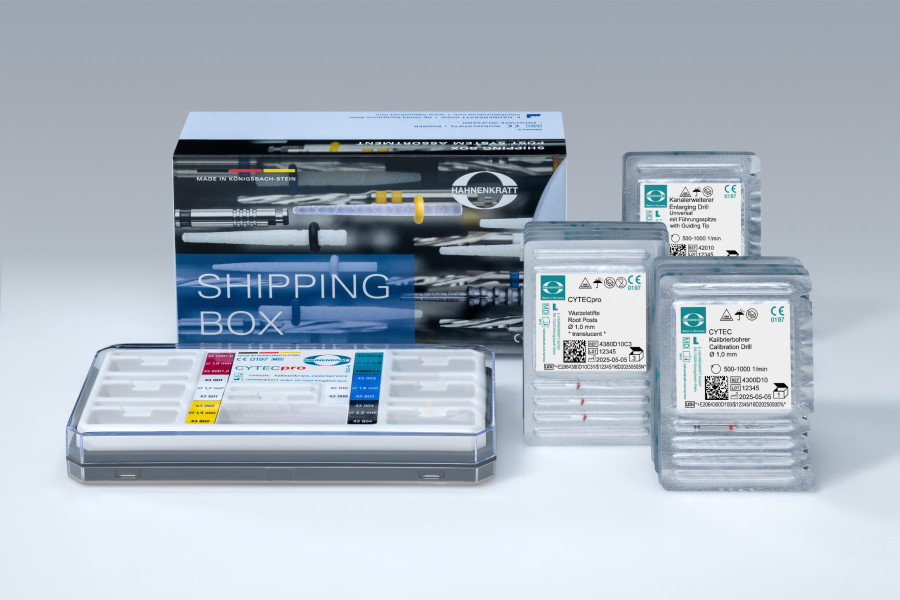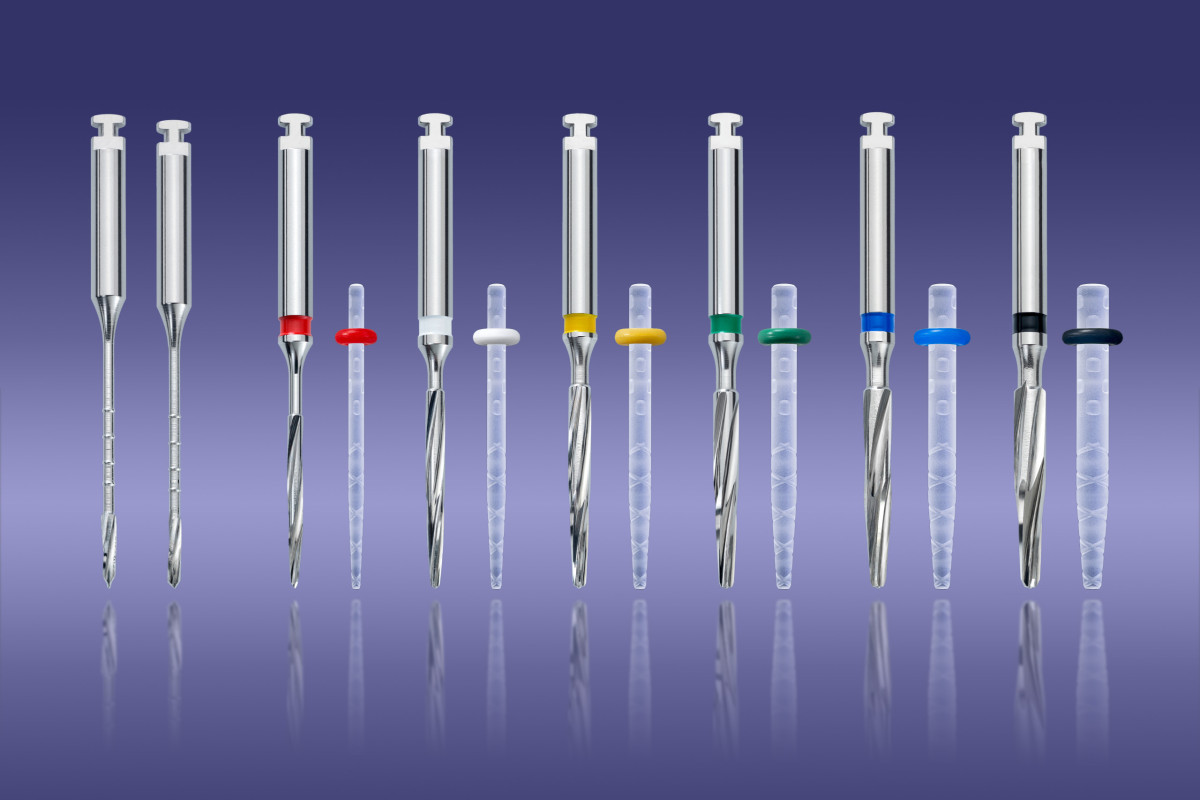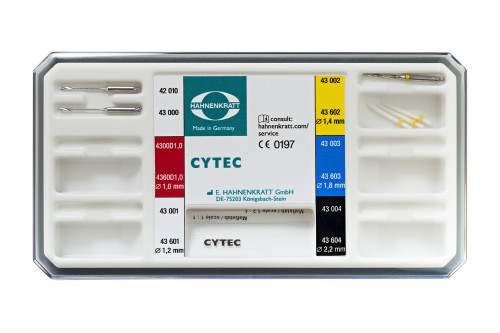
The set consists of:
1 x Assortment box, empty
1 x Measuring template
Drills
1 x pilot drill REF 42010
1 x pilot drill REF 43000
1 x calibration drill REF 4300D10
1 x calibration drill REF 43001
1 x calibration drill REF 43002
1 x calibration drill REF 4300D16
1 x calibration drill REF 43003
1 x calibration drill REF 43004
Posts
3 posts from REF 4380D10
5 posts from REF 43801
5 posts from REF 43802
3 posts from REF 4380D16
3 posts from REF 43803
3 posts from REF 43804
REF 43800
"Not logged in yet? Log in or sign up for free to access all features!"
To registration / login
The new pro modules feature the same outstanding properties as the proven CONTEC and CYTEC root posts, which have been successfully used for more than 30 years, in particular:
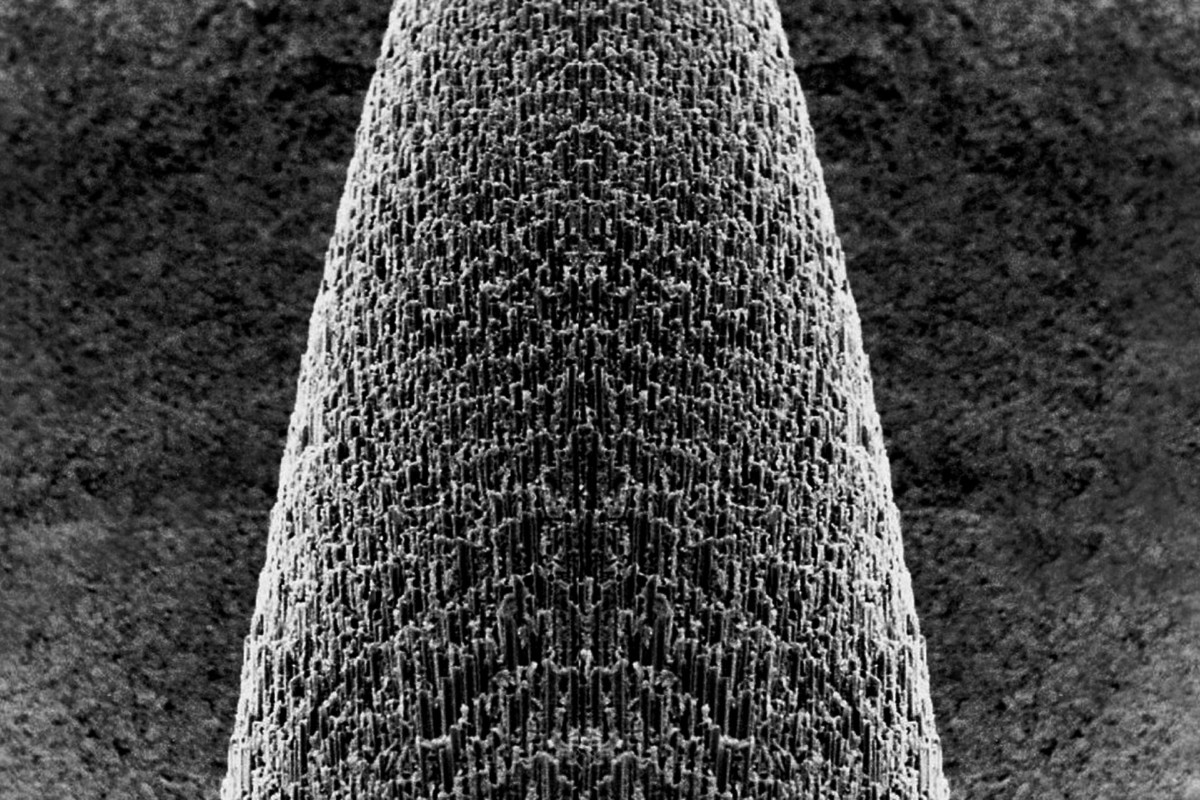
The additional mesh structure on the surface of the CONTECpro post enhances the adhesive bond between the mikroporous surface of the post and the resin. The result is an exceptionally secure adhesion – without the use of a silane – simple and efficient.Scientific studies conducted at the University of Rostock have demonstrated this for the CYTEC system.
These results are transferable to CYTECpro, as all our posts have the same surface mesh structure.
This scientific study was conducted in collaboration between the »Clinic for Dental Prosthetics« and the »Institute of Biomedical Engineering« at the University of Rostock.
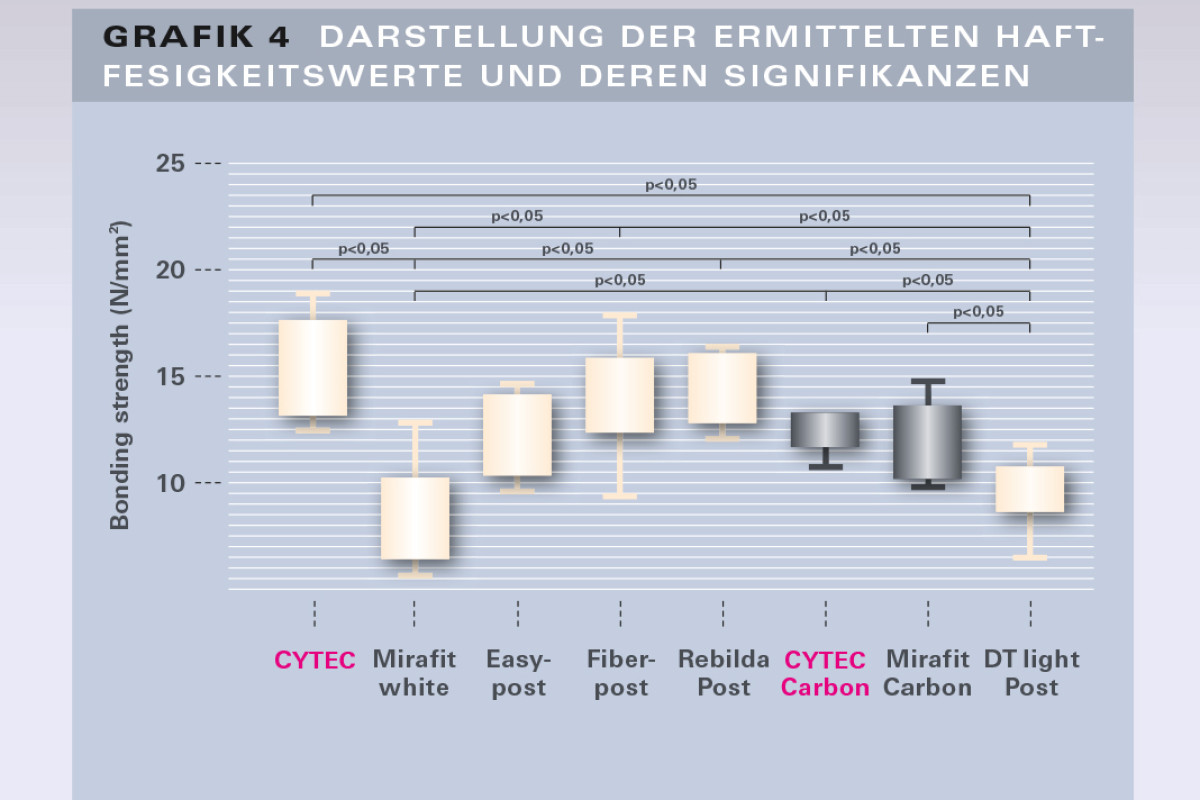
The study investigated »The influence of macro- and microstructure on the wetting and retention properties of root canal posts in vitro«.
CYTEC achieved the highest bond strength in comparison. This demonstrates that the unique surface structure of the root posts supports micro-retentive adhesion and leads to optimized bonding between the post and the adhesive cement.
Published in Biomed Tech 2009
Scientific Study at the Universtiy of Rostock*)
*) Felix Worm, Claudia Lurtz, Detlef Behrend, Lena Schmitt,
Klaus-Peter Schmitz, Peter Ottl und Heinrich von Schwanewede
Der Einfluss der Makro- und Mikrostruktur auf die Benetzungs- und Retentionseigenschaften von Wurzelkanalstiften in vitro
Wissenschaftliche Arbeit an der Universität Rostock – Biomed Tech 2009